
The Essential Guide to the Modern Wall Charger
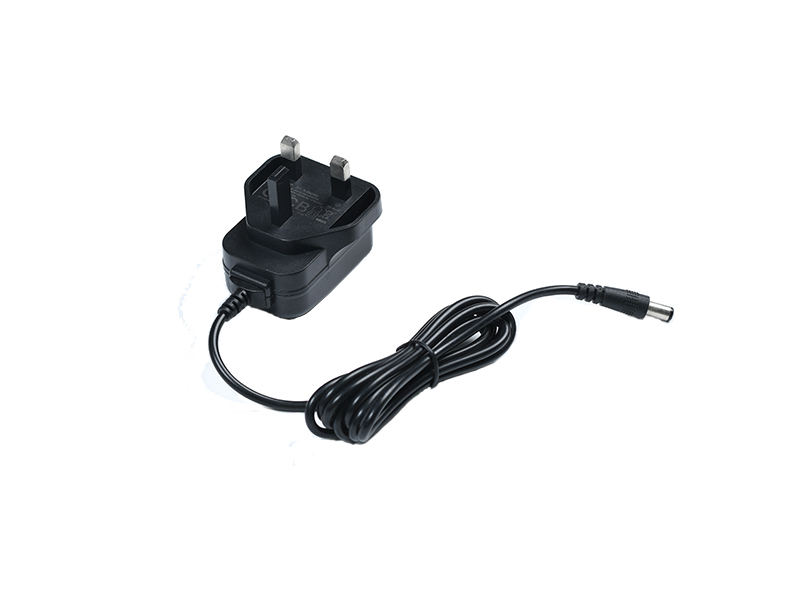
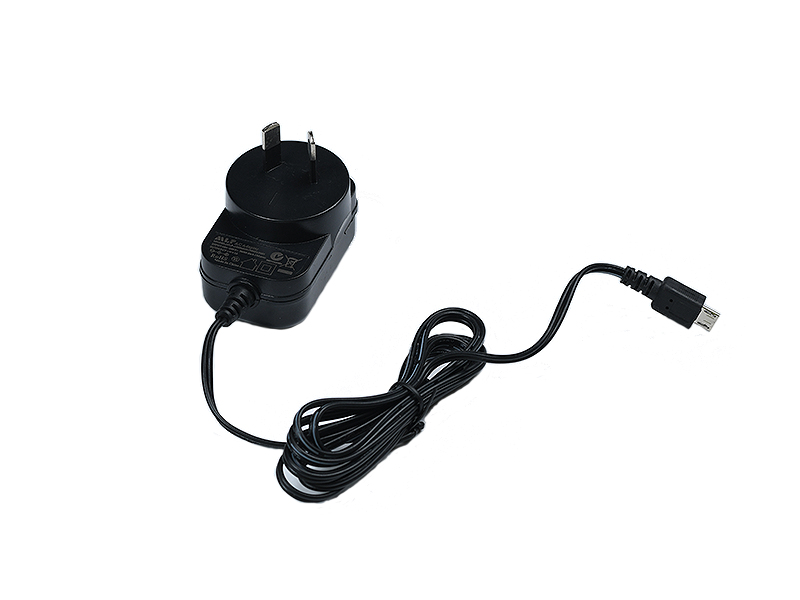
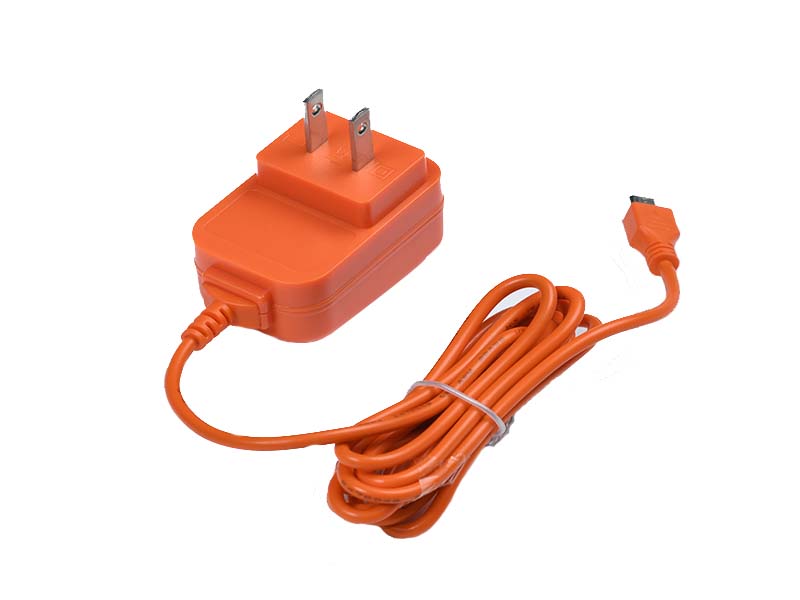
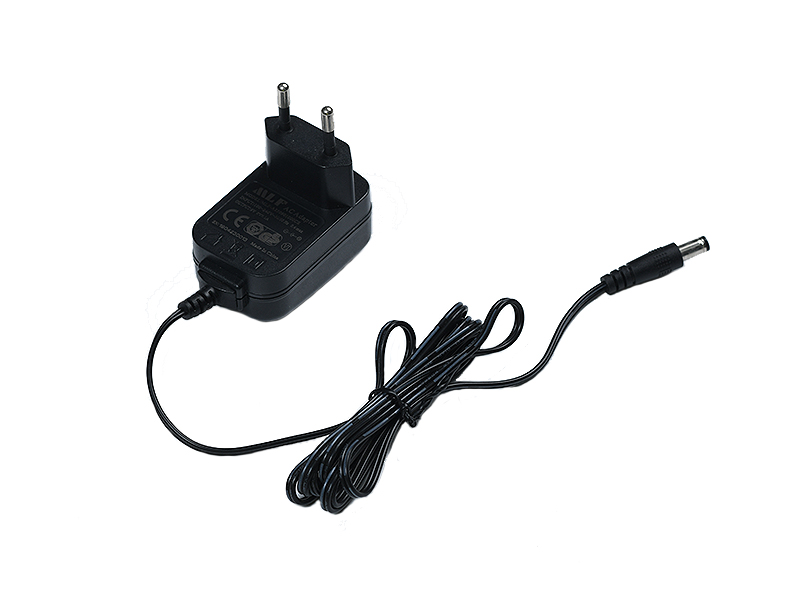
In an era defined by our reliance on digital devices, the humble wall charger has evolved from a simple accessory to a critical component of daily life. It is the unsung hero that powers our smartphones, tablets, laptops, and a growing ecosystem of gadgets, ensuring we remain connected, productive, and entertained. No longer a one-size-fits-all commodity, the modern wall charger is a marvel of engineering and design, tailored to meet the demands of fast-paced, tech-centric lifestyles.
The primary function of a wall charger is to convert the high-voltage alternating current (AC) from a wall outlet into a low-voltage direct current (DC) suitable for electronic devices. However, the technology behind this conversion has advanced significantly. Early chargers were often bulky, slow, and inefficient. Today, the landscape is dominated by sleek, compact designs that incorporate intelligent circuitry to deliver power efficiently and safely. The advent of technologies like Gallium Nitride (GaN) has been a game-changer. GaN chargers can operate at higher frequencies and temperatures than traditional silicon-based models, resulting in smaller, more powerful, and more energy-efficient units that charge devices at remarkable speeds.
A key differentiator in the contemporary wall charger market is the power delivery standard. The universal adoption of USB-C, coupled with standards like USB Power Delivery (PD) and Qualcomm’s Quick Charge (QC), has created a versatile charging environment. A high-wattage USB-C PD wall charger can power everything from a pair of wireless earbuds to a high-performance laptop, often from the same port. This universality reduces the need for multiple, device-specific chargers, cutting down on electronic waste and simplifying travel. For the average user, this means being able to charge a modern smartphone from 0 to 50% in under 30 minutes—a convenience that was unimaginable a decade ago.
Safety remains a paramount concern. Reputable wall charger manufacturers integrate multiple layers of protection, including safeguards against over-voltage, over-current, over-temperature, and short-circuiting. These features are crucial not only for protecting the expensive device being charged but also for ensuring household electrical safety. A poorly constructed, counterfeit wall charger can pose a significant fire hazard, underscoring the importance of purchasing certified products from trusted brands.
Furthermore, the design of the wall charger has been rethought for practicality. Many modern designs feature foldable prongs, making them exceptionally portable and easy to pack without snagging on other items in a bag. Others offer multiple ports, allowing users to charge several devices simultaneously without sacrificing charging speed. This multi-port capability is invaluable in family households or for professionals who carry multiple gadgets.
As we look to the future, the role of the wall charger will continue to expand. With the proliferation of smart home devices, wearables, and even electric vehicle accessories, the demand for efficient, powerful, and compact charging solutions will only grow. The humble wall charger has firmly established itself as an indispensable tool, a silent guardian of our digital existence, constantly evolving to keep us powered and connected in an ever-more wireless world.



 手機:+86 18928215896
前臺:0769 87989645/50
手機:+86 18928215896
前臺:0769 87989645/50 地址:東莞市塘廈鎮清湖頭村清平路8號
 郵箱:market@mlftech.com


